What Are the Most Common Causes of Hair Loss in Men and Women?
Hair is an important part of how we look and feel. Losing it can be upsetting. But did you know that hair loss is common in both men and women? In fact, millions of people around the world deal with it every day.
Let’s explore the most common causes of hair loss and what you can do about them. Whether you are male or female, understanding why hair falls out is the first step to finding the right help.
1. Genetics: The Most Common Cause
One of the biggest reasons for hair loss is genetics. If your parents or grandparents had hair loss, you might have it too.
For Men
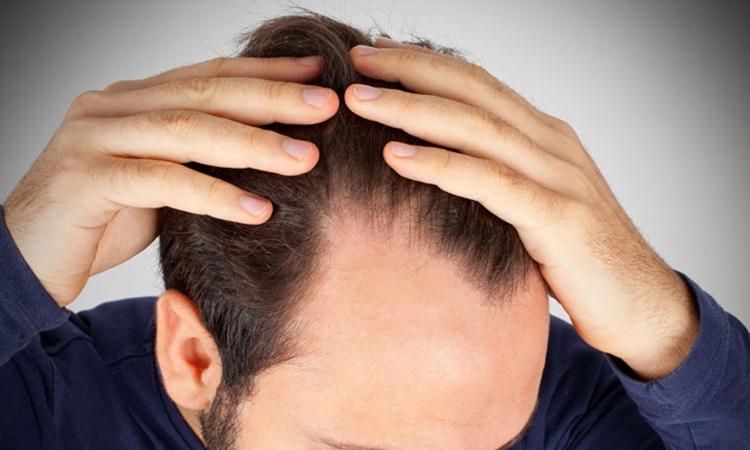
This is called male pattern baldness. It usually starts at the temples or on the crown of the head. Over time, the hairline goes back and bald spots can grow bigger.
For Women
Women also experience female pattern hair loss, but it's different. Instead of bald spots, the hair becomes thin all over, especially at the top of the head.
This type of hair loss is called “androgenetic alopecia.” It is very common and happens slowly over time.
Learn more about this type of hair loss from Cleveland Clinic.
2. Hormonal Changes
Hormones play a big role in hair growth. When your hormone levels change, it can cause your hair to fall out.
Common hormonal causes include:
-
Pregnancy
-
Childbirth
-
Menopause
-
Polycystic Ovary Syndrome (PCOS)
-
Thyroid issues (hyperthyroidism or hypothyroidism)
In women, hair loss after childbirth is common. This is called telogen effluvium and usually goes away on its own in a few months.
For more on hormone-related hair loss, check this helpful page from Healthline.
3. Stress: Physical and Emotional
Stress doesn’t just affect your mood—it can also affect your hair.
Types of stress that can cause hair loss:
-
Major surgery
-
Severe illness or fever
-
Emotional shock
-
Sudden weight loss
-
High levels of anxiety or depression
This kind of hair loss is usually temporary and is also a type of telogen effluvium. It happens when hair suddenly stops growing and falls out all at once.
4. Medical Conditions
Some health problems can lead to hair loss. It’s important to get checked by a doctor if you notice sudden or severe hair thinning.
Conditions that may cause hair loss:
-
Alopecia areata – An autoimmune disease that causes patches of baldness
-
Scalp infections – Like ringworm (a fungal infection)
-
Lupus – A chronic autoimmune disease
-
Iron-deficiency anemia – A lack of iron can weaken hair roots
Dr. Pretty Singla, a dermatologist at Pretty Skin Clinic, often sees patients with these conditions. A proper diagnosis and treatment plan can help manage the problem.
5. Medications and Treatments
Certain drugs can make your hair fall out as a side effect. If you started a new medicine and notice hair loss, talk to your doctor.
Medicines that can cause hair loss:
-
Cancer treatments (like chemotherapy)
-
Blood pressure medications
-
Antidepressants
-
Birth control pills
-
Drugs for arthritis, gout, and heart problems
The good news is that in most cases, hair will grow back after stopping the medication.
6. Poor Nutrition
What you eat affects how your hair grows. A poor diet means your body may not get the vitamins and minerals it needs for healthy hair.
Nutrient deficiencies linked to hair loss:
-
Iron
-
Vitamin D
-
Zinc
-
Protein
-
Biotin (Vitamin B7)
Eating a balanced diet with plenty of fruits, vegetables, whole grains, and lean proteins can make a big difference. Sometimes, taking supplements may help—but only under a doctor’s advice.
You can read more about this on Healthline’s nutrition and hair loss guide.
7. Hairstyles and Hair Treatments
Your hair care routine can affect how healthy your hair stays.
Things that can damage your hair:
-
Tight hairstyles (like braids, ponytails, or buns)
-
Excessive heat styling (straighteners, curling irons, blow dryers)
-
Chemical treatments (dye, bleach, perm)
-
Rough brushing or towel drying
These habits can cause traction alopecia, which is hair loss caused by pulling on the hair. Over time, this can lead to permanent damage if not addressed.
8. Aging
As we age, hair naturally becomes thinner and grows slower. Hair follicles shrink or stop growing new hairs altogether.
This is a natural part of getting older and happens to most people. While you can’t stop aging, gentle hair care and the right treatments can help reduce its effects.
9. Environmental Factors
Sometimes, things in our surroundings can also lead to hair loss.
Examples include:
-
Pollution
-
Exposure to toxins or chemicals
-
Hard water
-
Sun damage to the scalp
Using protective hair products and washing your hair regularly can help protect your scalp from these dangers.
10. Overuse of Hair Products
Some shampoos, gels, and sprays contain harsh chemicals that can harm your scalp and hair. Look for gentle, sulfate-free products that won’t strip natural oils from your hair.
Also, washing your hair too often or using too many styling products can weaken your strands over time.
When Should You See a Doctor?
If you notice any of the following signs, it’s time to see a dermatologist:
-
Sudden hair loss
-
Bald patches
-
Scalp pain or itching
-
Hair falling out in clumps
-
Hair not growing back after months
Getting help early can prevent the problem from getting worse. Dermatologists like Dr. Pretty Singla are trained to find out what's causing hair loss and offer safe, effective treatments.
Treatments Available for Hair Loss
There are many options to treat hair loss, depending on the cause.
Common treatments include:
-
Topical medications (like minoxidil)
-
Oral medications (like finasteride for men)
-
Nutritional supplements
-
Steroid injections (for alopecia areata)
-
Laser therapy
-
Platelet-rich plasma (PRP) therapy
-
Hair transplant surgery (in some cases)
Always speak with a dermatologist before starting any treatment. What works for one person may not work for another.
Tips to Prevent Hair Loss
While you may not be able to avoid all types of hair loss, there are steps you can take to reduce your risk.
Helpful tips:
-
Be gentle with your hair
-
Avoid tight hairstyles
-
Eat a healthy, balanced diet
-
Manage stress
-
Wash with mild shampoo
-
Limit heat and chemical styling
-
Get regular health checkups
Final Thoughts
Hair loss can happen for many reasons. For some, it’s a part of aging or family history. For others, it may be caused by stress, illness, or poor nutrition.
The good news is that many causes of hair loss are treatable. With the right care and professional advice, you can protect your hair and even regrow what you've lost.
If you're facing hair loss and want answers, don’t wait. A trained dermatologist like Dr. Pretty Singla, who sees patients at Pretty Skin Clinic, can help you understand what’s going on and guide you toward the best solution for your needs.
To learn more, visit her website: https://prettyskin.in
Disclaimer
The information provided is for informational purposes only and does not constitute medical advice. Readers should consult with a qualified healthcare professional for diagnosis and treatment.


Comments
Post a Comment