How to Treat Chicken Skin? The Most Googled Questions Answered
How to Treat Chicken Skin? The Most Googled Questions Answered
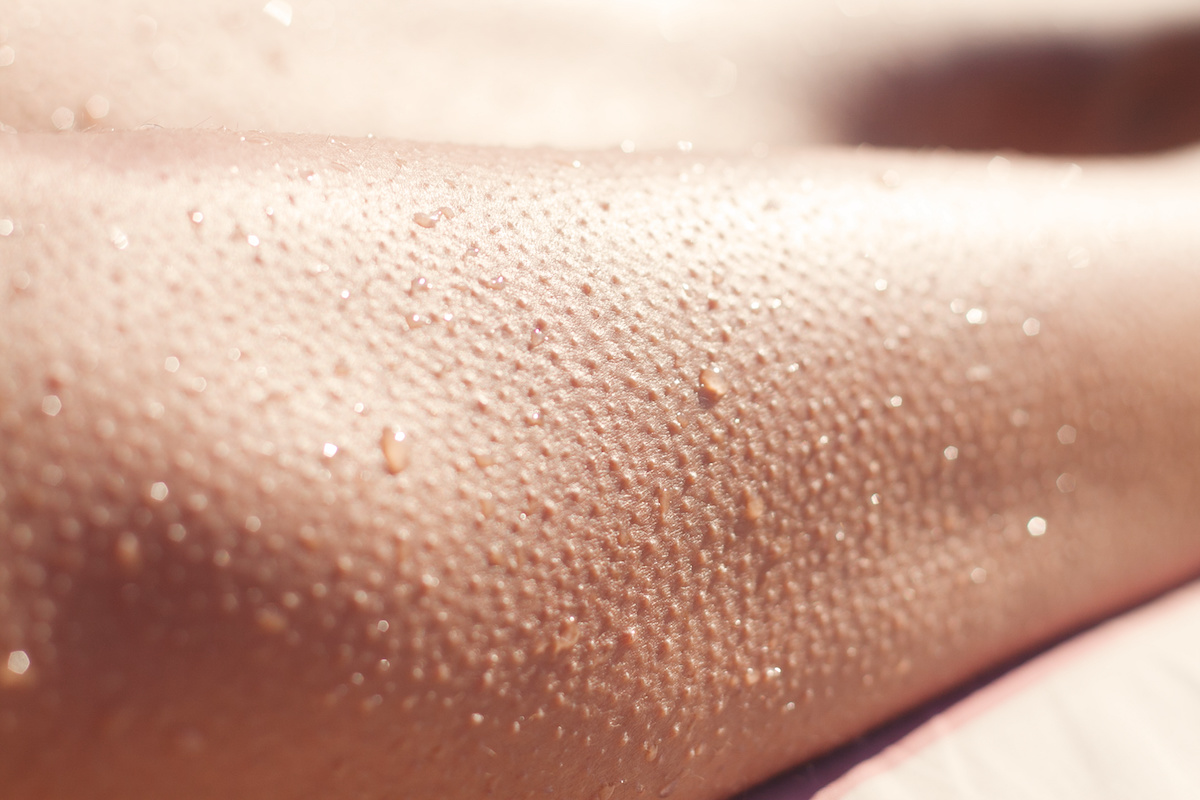
Chicken skin, medically known as keratosis pilaris, is a common but harmless skin condition that causes rough, bumpy patches on the arms, thighs, cheeks, and buttocks. It occurs when keratin—a protein that protects the skin—builds up and blocks hair follicles. This results in tiny, painless bumps that resemble goosebumps or plucked chicken skin.
Dr. Pretty Singla, a renowned dermatologist, often sees patients at Pretty Skin Clinic who struggle with keratosis pilaris and want to know the best ways to manage it. In this article, we answer the most commonly Googled questions about chicken skin, providing reliable solutions based on expert knowledge.
1. What Causes Chicken Skin?
The exact cause of keratosis pilaris is unknown, but it is often linked to:
-
Genetics: If your parents had it, you’re more likely to develop it.
-
Dry skin: The condition tends to worsen in colder months when the skin is drier.
-
Eczema or atopic dermatitis: Those with these conditions are more prone to keratosis pilaris.
-
Excess keratin production: A buildup of keratin blocks the hair follicles, leading to rough bumps.
-
Hormonal changes: It may become more noticeable during puberty or pregnancy.
2. Is Chicken Skin Contagious?
No, keratosis pilaris is not contagious. It is a genetic skin condition, meaning you cannot spread or catch it from someone else.
3. Can Chicken Skin Be Cured?
There is no permanent cure for keratosis pilaris, but it can be effectively managed with the right skincare routine and treatments.
4. What Are the Best Treatments for Chicken Skin?
Although keratosis pilaris cannot be completely cured, it can be treated with a combination of moisturization, exfoliation, and dermatological treatments:
a) Gentle Exfoliation
Exfoliating helps remove dead skin cells and unclog pores. Use:
-
Chemical exfoliants: Look for products containing alpha hydroxy acids (AHAs) like lactic acid or beta hydroxy acids (BHAs) like salicylic acid.
-
Physical exfoliants: Use a soft washcloth or loofah, but avoid harsh scrubs that can irritate the skin.
b) Hydration and Moisturization
-
Use a thick moisturizer with ingredients like urea, ceramides, or glycerin to keep the skin hydrated.
-
Apply moisturizer immediately after bathing to lock in moisture.
c) Medicated Creams
Dermatologists may recommend prescription creams containing:
-
Retinoids (Vitamin A derivatives): Help increase cell turnover and prevent clogged pores.
-
Steroid creams: Can reduce inflammation in severe cases.
d) Laser Therapy
For persistent cases, laser treatments can help reduce redness and improve skin texture.
Source: Cleveland Clinic
5. Can Diet Affect Keratosis Pilaris?
Diet may play a role in skin health. Consider:
-
Omega-3 fatty acids: Found in fish, nuts, and seeds, they help reduce inflammation.
-
Vitamin A-rich foods: Such as carrots and sweet potatoes, which support skin cell turnover.
-
Hydration: Drinking plenty of water keeps skin hydrated and healthy.
6. Will Sun Exposure Help or Worsen Chicken Skin?
Moderate sun exposure can temporarily improve keratosis pilaris, but excessive UV exposure can lead to skin damage and worsen the condition. Always use sunscreen with at least SPF 30.
7. Can Home Remedies Help?
Some natural remedies may help soften and smooth chicken skin:
-
Coconut oil: Contains anti-inflammatory properties and hydrates the skin.
-
Apple cider vinegar: Has exfoliating properties but should be diluted before applying.
-
Aloe vera gel: Soothes and hydrates irritated skin.
While home remedies can help, dermatologically approved treatments are usually more effective. Source: Healthline
8. Should You Pop or Scratch the Bumps?
No! Picking, scratching, or squeezing the bumps can cause irritation, redness, and even scarring. Instead, focus on gentle exfoliation and hydration.
9. How Long Does It Take to See Results from Treatment?
Improvement usually takes several weeks to months with consistent treatment. Be patient and maintain a regular skincare routine for the best results.
10. When Should You See a Dermatologist?
Consult a dermatologist like Dr. Pretty Singla if:
-
Your condition is severe and affects self-confidence.
-
Over-the-counter treatments don’t work.
-
You experience irritation, redness, or pain.
A dermatologist can recommend advanced treatments, such as prescription creams or laser therapy, for better results.
For expert skin care, visit Pretty Skin Clinic.
Final Thoughts
While keratosis pilaris is a harmless skin condition, it can be frustrating. The good news is that consistent skincare, proper exfoliation, and hydration can help improve its appearance. If home treatments don’t work, a dermatologist can provide professional solutions tailored to your skin needs.
Disclaimer:
The information provided is for informational purposes only and does not constitute medical advice. Readers should consult with a qualified healthcare professional for diagnosis and treatment.


Comments
Post a Comment